Garage Door Opener Replacement in Round Rock
Garage door opener replacement in Round Rock makes sense when the opener is old, keeps failing after repairs, strains or grinds, or lacks working safety reversal. If a simple fix like new batteries or clean sensors does not help, call to be connected with a local provider who can inspect it and explain your options.
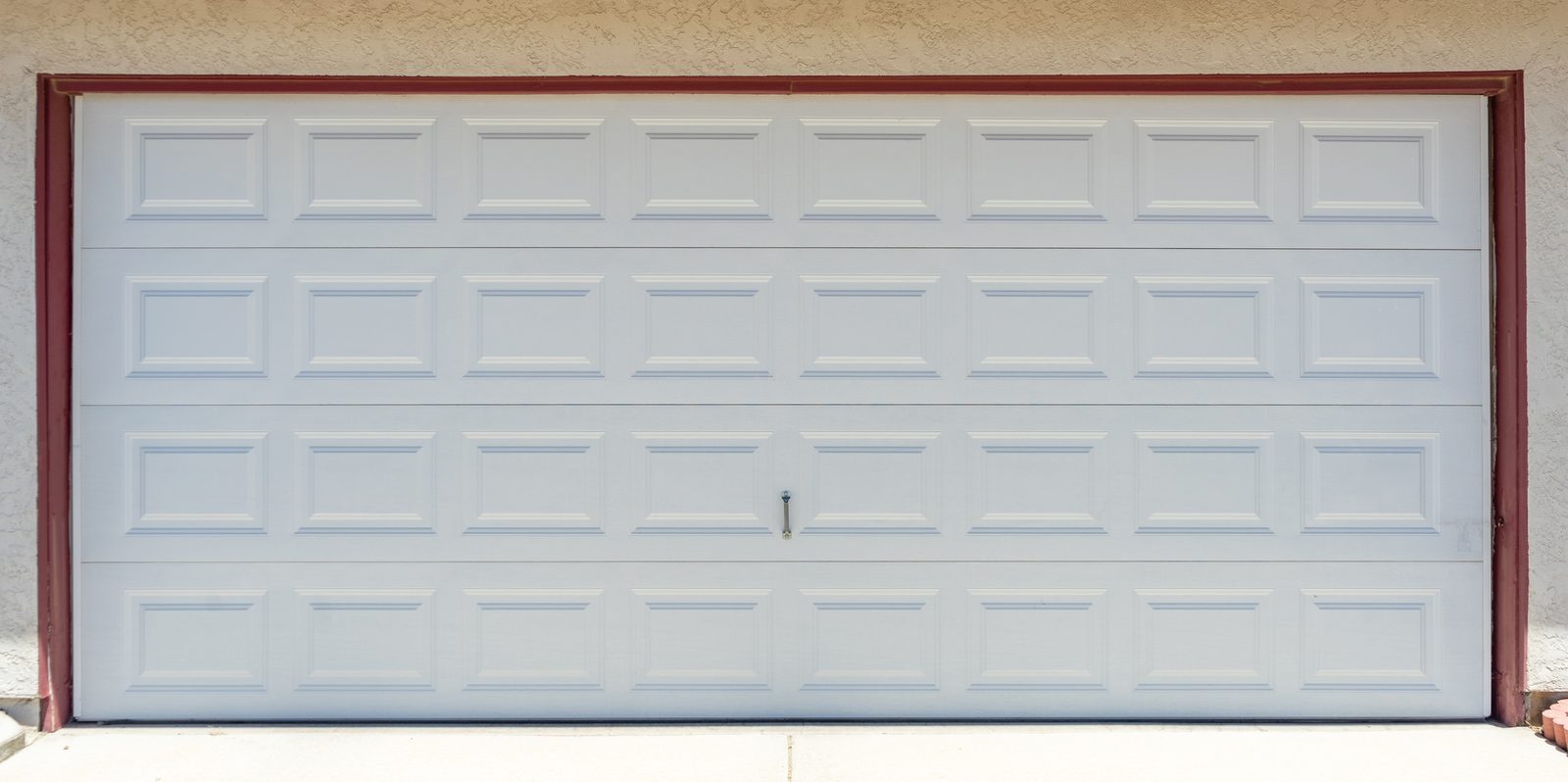
- An opener that is old, loud, slow or unreliable after repairs is often ready to be replaced.
- A door that does not reverse when it touches an object is a safety problem, not just an annoyance.
- Many opener problems are really door problems, like a broken spring or a door that is out of balance.
- In Texas, a company that only installs garage door openers does not need a DPS license, but openers tied to an alarm system do.
- A good visit starts with an inspection and a written quote before any work begins.
What to do first
- Stop pressing the button if the opener hums, grinds or strains and the door does not move.
- If a spring looks broken, a cable is loose or the door is crooked, leave the door closed and keep people and cars clear.
- Unplug the opener if it smells hot, sparks or keeps running after the door stops.
- Call to be connected with a local garage door provider who can check the opener and the door together.
When is garage door opener replacement the right call in Round Rock?
Garage door opener replacement in Round Rock is usually the right call when the opener is old, needs repeated repairs, runs loud or slow, or does not stop and reverse the way it should. If the motor, gears and safety features are in good shape, a repair may be enough. A short inspection tells you which way to go.
Openers do a lot of work. They start and stop the door many times a week, often in a hot garage. The goal is to replace the opener when it is truly worn out, not when it only needs a battery, a sensor cleaning or a reset.
What are the signs your garage door opener needs to be replaced?
The clearest signs your garage door opener needs to be replaced are a motor that hums but does not move the door, grinding or stripped gears, a door that stops or reverses for no reason, and an opener that keeps failing after repairs. Age and missing safety features matter too.
- It hums but nothing moves: the motor runs, but worn gears or a failed part keep the door still.
- Grinding, rattling or shaking: loud metal noise from the motor unit, not from the door, often points to worn drive parts.
- Random stops or reversals: after the sensors are cleaned and lined up, this can mean the opener's board is failing.
- Slow or jerky travel: the opener struggles even when the door is balanced.
- Repeat breakdowns: the same problem returns soon after each fix.
- Old technology: no safety sensors, no auto-reverse, or remotes that are hard to find parts for.
Should you repair or replace a garage door opener?
Repair a garage door opener when a single part has failed on an opener that is otherwise solid, such as sensors, a remote, a wall button or a travel limit setting. Replace it when the motor, gears and board are worn, when repairs keep stacking up, or when the opener lacks basic safety features.
Ask the provider to explain which parts failed and why. If the answer is "one worn part on a healthy opener," a repair may make sense. If the answer is "several parts are wearing out at once," replacement is often the more practical path. Our page on garage door opener repair covers common fixes that may keep an opener going.
Need help now? Call to be connected with a local provider in Round Rock who can check availability for your address.
What should you check before you call about a new opener?
Before you call about a new opener, check the remote batteries, the wall button, the safety sensors near the floor and the opener's lock or vacation mode. These simple checks rule out problems that are not the opener at all. Do not touch springs, cables or brackets while you test.
- Try the wall button. If it works but the remote does not, the remote is likely the issue.
- Replace the remote battery and try again.
- Look at the sensor lights near the floor. Wipe the lenses and make sure nothing blocks them.
- Check the wall console for a lock or vacation button that blocks remotes.
- Make sure the opener is plugged in and the outlet has power.
For more checks, see our guide to garage door opener troubleshooting. If the opener still fails, it is time to call.
Could the problem be the door instead of the opener?
Yes. A broken spring, a frayed cable or a door that is off its track can make a good opener look broken. The opener is built to guide the door, not lift its full weight. When the springs stop doing their job, the opener strains, stalls or reverses.
If you heard a loud bang, see a gap in a spring, or the door hangs crooked, leave it closed and see garage door spring repair. Replacing an opener on a door with a spring problem will not fix the door, and it can wear out the new opener fast. A local provider should check the door balance before any opener is replaced.
What kind of garage door opener replacement fits your home?
The right garage door opener replacement depends on your door's size and weight, how close the garage is to bedrooms, and whether you want backup power or phone control. Chain drive, belt drive and wall-mount openers are the common choices, and each fits different needs.
- Chain drive: strong and common, but louder.
- Belt drive: quieter, a good fit when a bedroom is above or next to the garage.
- Wall-mount: mounts beside the door, freeing up ceiling space.
- Battery backup: lets you open and close the door during a power outage.
- Smart features: phone alerts and control from an app.
If you are curious how the work is done, our guide on how to install a garage door opener walks through the steps.
What happens during the visit?
During the visit, a local garage door provider inspects the opener and the door together, explains what they found, walks you through repair and replacement options, and gives you a written quote before any work starts. You decide what happens next.
- Inspection: the motor, drive, board, sensors, wall button, remotes, springs, cables and door balance are checked.
- Options explained: you hear whether a repair, an adjustment or a new opener makes sense, and why.
- Written quote: you see the price in writing before anything is done.
It helps to know your opener brand, roughly how old it is, and what it does when it fails.
What should Round Rock homeowners know about openers and local weather?
Garage openers in Round Rock work through long, hot summers. Austin's record high is 112°F, reached on September 5, 2000 and August 28, 2011, and in 2011 Austin had 90 days of 100°F or higher. A closed garage in that heat puts extra stress on an opener's motor, board and plastic gears, which is one reason older units in Central Texas wear out.
Power outages matter too. On February 1, 2023, ice on trees and power lines across the Austin metro caused power outages numbering in the hundreds of thousands, some lasting a week or more. If you are replacing an opener, a model with battery backup can keep the door usable when the power is out. Over 1991-2020, Austin's average first freeze at Camp Mabry was December 1, so late fall is a calm time to plan a replacement before winter.
If you want an opener tied to a security system, note that according to the Texas Department of Public Safety, a company that only installs garage door openers does not need a DPS license, but installing an opener connected to an alarm system, or one that monitors or logs entry, does require one.
You can call about garage door opener replacement in Round Rock and nearby areas such as Georgetown, Hutto, Pflugerville, Cedar Park and Brushy Creek.
Related pages
Questions people ask
How do I know if I need garage door opener replacement or just a repair?
If one part failed on an opener that is otherwise solid, a repair is usually enough. If the motor, gears or board are worn, or problems keep coming back, garage door opener replacement in Round Rock is often the better path.
Why does my garage door opener hum but the door won't move?
A humming opener with a still door often has worn gears, a stuck motor or a door problem like a broken spring. Stop pressing the button and look at the springs before trying again.
Is it worth replacing an old garage door opener that still works?
It can be if the opener has no safety sensors, does not auto-reverse, or is very loud. If it works well and passes the reverse test, there is no rush.
Can a broken spring make it look like my garage door opener is bad?
Yes. When a spring breaks, the opener has to lift the full weight of the door, so it strains, stalls or reverses. Have the spring checked before you replace the opener.
What is the difference between a chain drive and a belt drive opener?
A chain drive uses a metal chain and is usually louder. A belt drive uses a rubber belt and runs quieter, which helps when a bedroom is near the garage.
Should I get a garage door opener with battery backup in Round Rock?
A battery backup opener is worth thinking about in Round Rock, since storms and ice can cause long power outages. It lets you open and close the door when the power is out.
Why does my garage door opener reverse before it closes all the way?
Most often the safety sensors are dirty, blocked or out of line. If cleaning and lining them up does not help, the travel limits or the opener board may need attention.
How do I test if my garage door opener auto-reverse still works?
Place a roll of paper towels on the floor under the open door, then close it. The door should reverse after it touches the roll. If it does not, stop using it to close the door until it is checked.
Can I replace a garage door opener myself?
Some homeowners do, but it takes care. The door must be balanced first, and you should never touch the springs or cables. Many people call a provider to handle the removal and setup.
Will my old remotes and keypad work with a new garage door opener?
Not always. Newer openers often use different signal types, so older remotes and keypads may not pair. A local provider can tell you what works with the new opener.
Does Texas heat wear out garage door openers faster?
Heat can add stress. In Round Rock, a closed garage gets very hot in summer, which can wear on motors, boards and plastic gears over time.
Is it dangerous to use a garage door opener with no safety sensors?
Yes, it can be. Safety sensors and auto-reverse help keep a closing door from hitting people, pets or cars. An opener without them is a strong reason to consider replacement.
What should I do if my garage door opener smells like it is burning?
Unplug the opener right away and do not use it. A burning smell can mean the motor is overheating or straining, and it should be inspected before it runs again.
Does Texas require a license to replace a garage door opener?
According to the Texas Department of Public Safety, a company that only installs garage door openers does not need a DPS license. An opener connected to an alarm system, or one that logs entry, does require one.
What should I tell the provider when I call about garage door opener replacement?
Share the opener brand and rough age, what it does when it fails, and whether the wall button and remotes still work. Mention any loud bangs or a crooked door, too.
Will I get a written quote before my garage door opener is replaced?
You should get a written quote before any opener repair or replacement begins. The visit starts with an inspection and an explanation of your options.
Which areas near Round Rock can I call about for garage door opener replacement?
You can call about garage door opener replacement in Round Rock, Georgetown, Hutto, Pflugerville, Cedar Park, Brushy Creek, Leander, Taylor, Wells Branch and Jarrell. The call connects you with a local provider.
Talk to someone about your garage door problem
Call to be connected with a local provider who can check availability for your address and explain the next step.