How to Install a Garage Door Opener in Round Rock
Here is how to install a garage door opener in Round Rock: confirm the door is balanced, assemble and hang the rail and motor, mount the safety sensors and wall button, then set the travel limits and test the auto-reverse. If the door is heavy or the springs look worn, stop and call to be connected with a local provider.
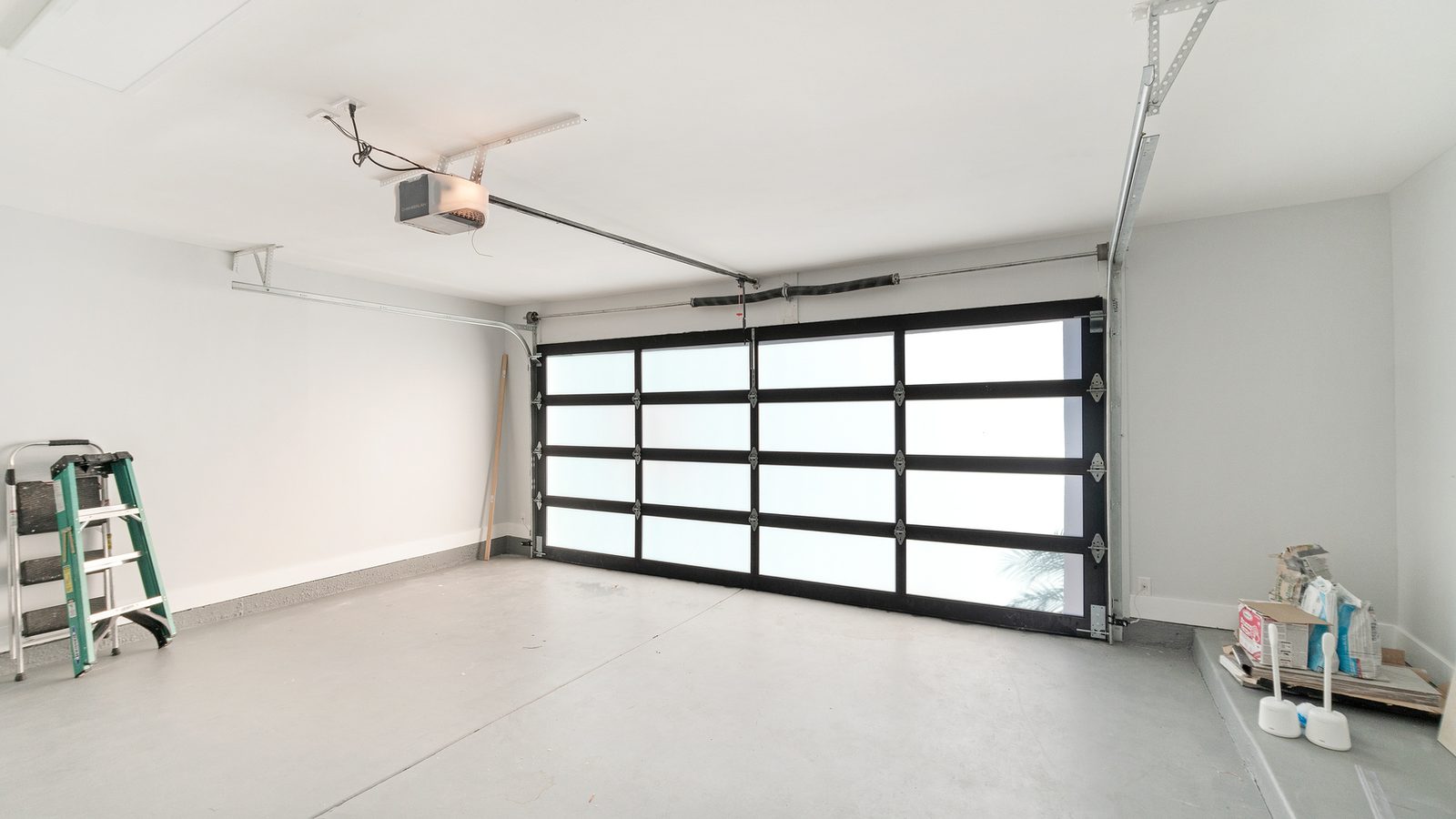
- An opener only moves a door that the springs already balance. If the door is heavy by hand, the springs need attention first, and that is a job for a professional.
- Never loosen, adjust or remove torsion springs, extension springs, cables or bottom brackets while installing an opener.
- Safety sensors go on both sides of the door, a few inches above the floor, and the door must reverse when the beam is blocked.
- In Texas, a company that only installs garage door openers does not need a DPS license, but an opener tied to an alarm system, or one that monitors or logs entry, does.
- Round Rock garages get very hot in summer, so plan wiring, outlet location and ventilation with heat in mind.
What to do first
- Close the garage door fully and keep pets, kids and cars clear of the opening.
- Unplug and remove any old opener, and disconnect the door from it with the red emergency release cord.
- Lift the door by hand to about waist height and let go. If it drops or shoots up, stop and call for help with the springs.
- Check for frayed cables, a gap in the torsion spring or loose bottom brackets. Do not touch any of them.
- Make sure a grounded ceiling outlet sits within reach of the opener's cord, or plan for an electrician.
How to install a garage door opener: what are the basic steps?
To install a garage door opener in a Round Rock garage, you check the door's balance, assemble the rail, attach it to a header bracket above the door, hang the motor from the ceiling, connect the arm to the door, add the sensors and wall button, then program the limits and test the reversal. Most kits follow this same order.
Here is the usual sequence, in plain terms:
- Check the door. Disconnect any old opener and make sure the door opens and closes smoothly by hand.
- Assemble the rail. Join the rail sections, slide on the trolley and attach the chain, belt or screw drive as the manual shows.
- Mount the header bracket. Fasten it to solid framing above the center of the door, at the height the instructions give.
- Hang the motor. Lift the motor end, set it on a ladder, and hang it from ceiling joists with angle iron or the supplied straps.
- Attach the door arm. Bolt the door bracket to the top section and connect it to the trolley.
- Install the sensors and wall button. Run low-voltage wire to each sensor and to a wall button out of reach of kids.
- Set the limits and force. Program the open and close stop points and test the safety reversal.
Should you install a garage door opener yourself or call a pro?
You can install a garage door opener yourself if the door is already balanced, the springs and cables are in good shape, and there is a grounded outlet near the motor. Call for help if the door is heavy, crooked or noisy, or if you are not comfortable working on a ladder overhead for a few hours.
The opener itself is not the dangerous part. The springs are. Torsion springs above the door and extension springs along the tracks hold the weight of the door under high tension. An opener install never requires you to adjust them. If the door does not balance, the opener will strain, wear out early and may not reverse properly. In that case, the right move is to have the springs looked at first. Our page on garage door spring repair explains the warning signs.
What tools and parts do you need to install an opener?
To install a garage door opener you need a sturdy step ladder, a drill with bits, a socket set, wrenches, a tape measure, a level, a stud finder, and the hardware in the box. Many installs also need extra angle iron to hang the motor and a few lag screws sized for your ceiling joists.
- Safety gear: eye protection and work gloves.
- Mounting: header bracket, ceiling hangers or angle iron, lag screws.
- Wiring: low-voltage bell wire for the sensors and wall button, insulated staples.
- Power: a grounded ceiling outlet. Never use a long extension cord to reach the motor.
Read the full manual for your model before you start. Brackets, rail lengths and programming steps differ between chain, belt and wall-mount openers.
Need help now? Call to be connected with a local provider in Round Rock who can check availability for your address.
How do you check that your garage door is balanced first?
To check garage door balance, pull the emergency release so the door is free, lift it by hand to about halfway, and let go. A balanced door stays put or moves only slightly. If it slams down or flies up, the springs are out of adjustment, and the opener install should wait until a professional corrects them.
Also watch and listen as you move the door by hand. It should travel smoothly, without grinding, sticking or jumping in the track. Look at the rollers, hinges and lift cables at the bottom corners. Frayed cables, bent track or a door that rides crooked are all signs the door needs work before any opener goes on. Our guides to cable and roller repair and off-track repair cover those problems.
How do you mount the rail, motor and door arm?
Mount the header bracket first, centered above the door on solid framing, then attach the front of the rail to it. Lift the motor end onto a ladder, line the rail up square with the door, and hang the motor from ceiling joists with angle iron so it sits level. Finally, bolt the door bracket to the top panel and connect the arm.
A few details make a big difference:
- Find the center of the door and mark it on the header wall and the door's top panel.
- Fasten into wood framing, not drywall alone.
- Keep the rail parallel to the door tracks so the trolley pulls straight.
- Do not drill into the door's spring hardware or move the spring anchor plate.
Where do the safety sensors and wall button go?
Garage door safety sensors mount on each side of the door opening, low on the track or wall, facing each other so the invisible beam crosses the doorway. The wall button goes inside the garage, in sight of the door, and high enough that small children cannot reach it.
Run the sensor wires along the wall and ceiling, stapled neatly so they will not snag. When both sensor lights glow steady, they are aligned. A blinking light usually means the eyes are out of line, dirty or wired wrong. If you are adding a keypad outside, follow the pairing steps in the manual. For trouble with sensors or keypads later, see garage door sensor and keypad repair.
How do you set the limits and test the auto-reverse?
After installing a garage door opener, set the open and close limits so the door stops fully open and seals snugly when closed. Then test the auto-reverse: lay a 2x4 board flat on the floor under the door and close it. The door should touch the board and reverse. Also wave something through the sensor beam while it closes. It should stop and go back up.
If the door does not reverse, adjust the close force or limit as the manual describes and test again. Do not use the opener until it passes both tests. Repeat the reversal test about once a month as part of routine garage door maintenance.
What happens during the visit if you call for help?
When you call to be connected with a local garage door provider in Round Rock, the provider typically starts by inspecting the door, springs, cables and any old opener. They explain what they find and your options, such as installing a new opener now or fixing door balance first, and give you a written quote before any work begins.
It helps to share a few details on the call: the door size, whether it is one or two car wide, the opener type you are considering, whether you want a battery backup or smart features, and any noises or problems you noticed during your balance check. No timeline is promised, so ask about scheduling when you call. If your current opener just needs a fix, garage door opener repair may be all you need.
What should Round Rock homeowners know before installing an opener?
Central Texas weather affects how an opener works in Round Rock. Summers are long and hot: Austin's record high is 112°F, and in 2011 Austin had 90 days of 100°F or higher. A closed garage in that heat is hard on motor electronics and lubricant, so mount the motor where air can move and avoid stacking boxes around it.
Power outages matter too. On February 1, 2023, ice on trees and power lines across the Austin metro caused outages numbering in the hundreds of thousands, some lasting a week or more. A model with a battery backup, plus knowing how to use the red release cord, keeps you from getting stuck. During the February 2021 winter storm, insurers reported 14,439 claims in Williamson County, which includes Round Rock, Cedar Park, Leander and Georgetown, as of March 31, 2022.
If you are choosing a smart opener, know the state rule. According to the Texas Department of Public Safety, a company that only installs garage door openers does not need a DPS license, but installing one connected to an alarm system, or one that monitors or logs entry, does. Whether you live in Round Rock, Hutto, Pflugerville or Brushy Creek, ask about this when you call.
Related pages
Questions people ask
How do I install a garage door opener myself?
Start by checking that the door is balanced, then follow your opener's manual. The usual order is rail, header bracket, motor, door arm, sensors and wall button, then limits and a reversal test.
What is the first step in how to install a garage door opener?
The first step is checking the door, not the opener. Disconnect any old opener, lift the door by hand to about halfway and let go. If it stays put and moves smoothly, you can continue. If not, have the springs checked first.
How long does it take to install a garage door opener?
It usually takes a few hours for a first-timer with a helper. Removing an old opener, adding angle iron or running new sensor wire can add time. A provider can tell you what to expect for your garage when you call.
Do I need to adjust the garage door springs when I install a new opener?
No. Installing an opener should never require touching the springs. If the door is not balanced, stop and call to be connected with a local provider, because springs hold dangerous tension.
Is it safe to install a garage door opener on a door with a broken spring?
No. An opener cannot safely lift a door with a broken spring, and the door can fall fast. Leave the door closed and call for spring help before any opener work.
How high should the garage door opener motor be mounted?
The motor should hang level with or slightly above the rail so the rail runs parallel to the door tracks. Your manual gives the exact header bracket height based on the highest point the door reaches when it opens.
Do I need an electrician to install a garage door opener?
You need an electrician only if there is no grounded outlet near the motor location. Most openers plug into a ceiling outlet. Do not run the opener on an extension cord.
Where should I put the garage door sensors?
Put the safety sensors on both sides of the door opening, a few inches above the floor, facing each other. Follow the manual's height. Both indicator lights should glow steady when they are lined up.
Why does my new garage door opener go back up when closing?
A new opener that reverses while closing usually has misaligned or blocked sensors, a close limit set too low, or a force setting that is too sensitive. Check the sensor lights first, then the limit settings in the manual.
How do I test the auto-reverse on a garage door opener?
Lay a 2x4 board flat on the floor under the door and close it. The door should touch the board and reverse. Then wave an object through the sensor beam while the door closes. It should stop and go back up.
Can I install a garage door opener on an old garage door?
Often yes, if the old door is balanced, solid and moves smoothly. Older lightweight doors may need a reinforcement strut on the top panel. If the door is warped or the hardware is worn, fix that first.
Should I choose a chain drive, belt drive or wall-mount opener?
Chain drives are common and sturdy, belt drives run quieter, and wall-mount openers free up ceiling space but need a torsion spring setup. Ask a local provider which types fit your Round Rock garage and door.
Is a battery backup garage door opener worth it in Round Rock?
A battery backup can be very useful in Round Rock. Winter ice storms in the Austin metro have caused long power outages, and a backup lets the door run for a while without power.
Does Texas require a license to install a garage door opener?
According to the Texas Department of Public Safety, a company that only installs garage door openers does not need a DPS license. Installing one connected to an alarm system, or one that monitors or logs entry, does require one.
What should I tell the provider when I call about a garage door opener install?
Share your door size, whether it is single or double, the opener type you want, any smart or battery backup features, and what you noticed when you checked the door balance. The provider can then explain options and give a written quote.
Which areas near Round Rock can I call about for garage door opener installation?
You can call about opener installation in Round Rock and nearby areas such as Pflugerville, Georgetown, Hutto, Cedar Park, Leander, Taylor, Wells Branch, Brushy Creek and Jarrell.
Talk to someone about your garage door problem
Call to be connected with a local provider who can check availability for your address and explain the next step.