Garage Door Bottom Seal Types in Round Rock
The main garage door bottom seal types are T-type, bulb, J-type, beaded and brush seals, plus floor-mounted threshold seals. In Round Rock, the right one depends on the retainer track under your door, the door material and how uneven your floor is. If you are unsure, call to be connected with a local provider.
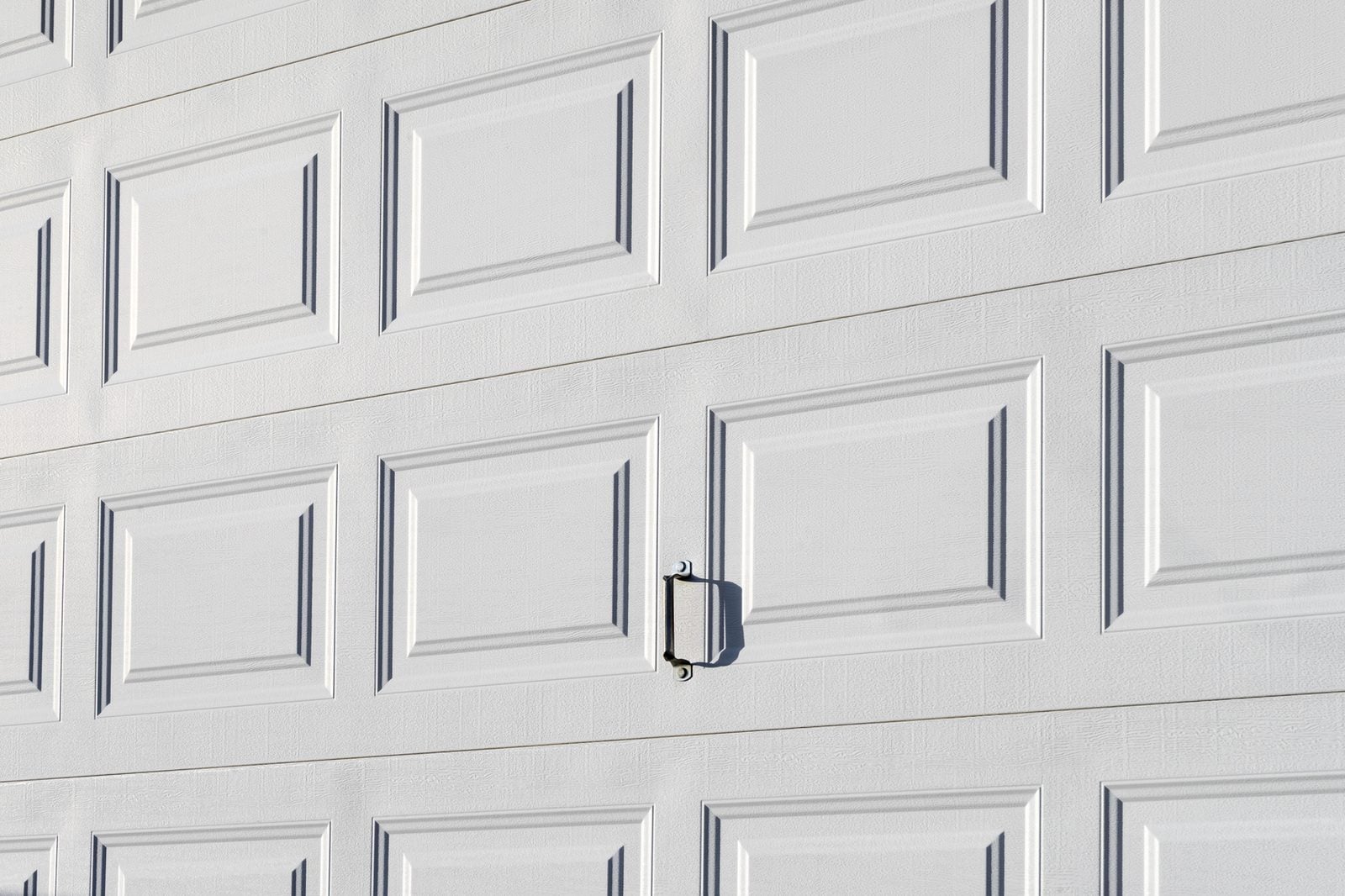
- Most bottom seals slide into an aluminum retainer on the bottom of the door, and the retainer shape decides which seal fits.
- T-type, bulb (U-shaped), J-type and beaded seals are the most common profiles on steel doors.
- Older wood doors often use a flat rubber or vinyl strip fastened straight to the bottom edge.
- A threshold seal mounts to the garage floor instead of the door and can help with water or uneven slabs.
- After any seal change, test the opener's auto-reverse so the door still stops and backs up on contact.
What are the different garage door bottom seal types?
The common garage door bottom seal types are T-type, bulb, J-type, beaded and brush seals, plus flat nail-on strips for wood doors and threshold seals that mount to the floor. Each one closes the gap between the door and the slab, but they attach in different ways and handle gaps differently.
- T-type (T-style) seal: two flat T-shaped edges slide into a double-channel retainer. Very common on newer steel doors.
- Bulb seal (U-shaped): a looped strip that squishes against the floor. Good for small dips and rough concrete.
- J-type seal: one edge is shaped like a J and hooks into a J-channel retainer.
- Beaded seal: round beads along each edge slide into a channel with round slots.
- Brush seal: stiff bristles instead of rubber, often used on commercial or rolling doors.
- Nail-on or screw-on strip: a flat or angled strip fastened to the bottom of a wood door.
- Threshold seal: a raised rubber strip glued to the floor where the door closes.
How do I tell which bottom seal type my garage door has?
To tell which bottom seal type your garage door has, open the door partway, unplug the opener, and look at the end of the seal where it slides into the retainer. The shape of the edge inside the channel, whether T, bead or J, tells you the type. A wood door with no metal channel usually uses a fastened strip.
Measure the door width and note the retainer slot width. If the retainer is bent, cracked or rusted, the seal will not hold. Keep hands away from the bottom corner brackets, because the lift cables attach there under tension.
Rubber vs vinyl: which bottom seal material is right for Texas heat?
Rubber seals stay soft and flexible longer in the heat and cold of Central Texas, while vinyl seals cost less up front but tend to stiffen and crack sooner. Many replacement seals are made of EPDM rubber or a rubber blend for that reason.
A seal that looks shiny, flattened or crumbly has likely lost its shape and no longer fills the gap. Ask about material when you call so the provider can match the seal to how your garage is used.
Need help now? Call to be connected with a local provider in Round Rock who can check availability for your address.
Which seal works for an uneven garage floor or a gap at one corner?
For an uneven garage floor, a taller bulb seal or a bulb seal paired with a threshold seal usually works better than a thin T-type strip. The bulb squishes down where the floor is high and still reaches the slab where it dips. A gap at one corner can also mean the door is out of level.
A door that closes lower on one side may have a cable or spring issue, not a seal problem. See our page on garage door cable and roller repair, and do not try to adjust cables or springs yourself.
Does a threshold seal on the floor help keep rain out?
A threshold seal on the floor can help keep wind-driven rain and light runoff out of the garage, because it adds a raised lip that water has to cross. It works together with the door's bottom seal. It will not stop flood water, and it is not a fix for a driveway that slopes toward the garage.
Threshold seals are glued to clean, dry concrete and can wear where tires roll over them. If water keeps getting in even with a good seal, mention it when you call.
When should a garage door bottom seal be replaced?
Replace a garage door bottom seal when you can see daylight under the closed door, the rubber is cracked, flat or torn, or the seal has pulled out of the retainer. Water, leaves, dust or bugs coming in at the floor line are other common signs.
- Light at the floor: check from inside with the door closed and the lights off.
- Hard or brittle rubber: it no longer bends when pressed.
- Seal hanging out of the track: the retainer may be bent or the seal the wrong size.
Bottom seal wear is often found during a yearly garage door maintenance and tune-up.
Is replacing a garage door bottom seal a DIY job?
Replacing a slide-in garage door bottom seal can be a reasonable DIY job if the retainer is in good shape and the door is balanced. It gets harder when the retainer is bent or corroded, the door is wood, or the bottom panel is damaged. Leave springs, cables and bottom brackets alone in every case.
After a new seal goes in, test the auto-reverse with a board on the floor. If the bottom panel is dented or rotting, the seal will not fit well, and you may need to look at garage door panel replacement instead.
What happens during the visit?
During the visit, a local garage door provider looks at the bottom seal, retainer, bottom panel, floor and door balance, explains what they found, walks you through seal options, and gives you a written quote before any work starts. You decide what happens next.
- Inspection: the seal profile, retainer condition, door level and floor gaps are checked, and the auto-reverse is tested.
- Options explained: you hear which seal types fit your retainer, whether a threshold seal makes sense, and whether the retainer or side and top weatherstripping also need work.
- Written quote: you see the price in writing before anything is done.
It helps to tell the provider where you see light or water, how old the door is, and whether the door is steel or wood.
What should Round Rock, Hutto and Georgetown homeowners know about bottom seals?
Round Rock garages see hard swings in weather, and that is tough on rubber. Austin's record high is 112°F, reached on September 5, 2000 and August 28, 2011, and in 2011 Austin had 90 days of 100°F or higher. Long stretches of heat like that dry out and flatten bottom seals that sit pressed against hot concrete.
Cold matters too. Over 1991-2020, Austin's average first freeze at Camp Mabry is December 1. Sub-freezing temperatures occur about 12 days a year on average at Camp Mabry but 33 days at Austin-Bergstrom Airport, so freeze risk differs across the metro. A seal that cracked over the summer lets cold air in once those nights arrive.
Rain is the third test. The National Weather Service says Austin is located in a region known as Flash Flood Alley. A good bottom seal helps with wind-driven rain, but no seal is a flood barrier. Round Rock also sits near the Blackland Prairie, whose Houston Black clays "shrink and swell markedly with changes in moisture content," according to the Texas Water Development Board soil sheet. If your garage slab has new cracks or a dip near the door, mention it, since an uneven floor changes which seal works.
You can call about garage door bottom seal types and replacement in Round Rock and nearby areas such as Hutto, Georgetown, Pflugerville, Cedar Park and Brushy Creek.
Related pages
Questions people ask
What are the most common garage door bottom seal types?
The most common garage door bottom seal types are T-type, bulb, J-type and beaded seals that slide into a metal retainer. Wood doors often use a nail-on strip, and some Round Rock garages add a threshold seal on the floor.
How do I know what kind of bottom seal my garage door needs?
Look at the edge of your current seal where it sits in the retainer. A T shape, round bead or J hook tells you the type, and you also need the door width to order the right length.
What is the difference between a T-type and a bulb garage door seal?
A T-type seal has flat T-shaped edges and hangs down in a flat or slightly curved shape. A bulb seal forms a loop that squishes against the floor, so it fills small dips better.
Is a rubber or vinyl garage door bottom seal better in Texas?
Rubber usually holds up longer in Texas heat and cold. Vinyl costs less but tends to stiffen and crack sooner, especially in a hot Round Rock garage.
Why is there a gap under my garage door on one side?
A gap on one side can come from a worn seal, an uneven floor or a door that is out of level. If the door sits crooked, a cable or spring may be the cause, so call instead of adjusting them.
Can I put a thicker seal on my garage door to close a big gap?
Sometimes, if the retainer accepts a taller bulb seal. A very thick seal can make the door hard to close and cause the opener to reverse, so test the auto-reverse afterward.
What is a garage door threshold seal and do I need one?
A garage door threshold seal is a raised rubber strip glued to the floor where the door closes. It can help with wind-driven rain and uneven slabs, but it is optional and works with the door's own bottom seal.
How do I stop rain from coming under my garage door?
Start with a bottom seal that is soft and fully reaches the floor, then consider a threshold seal. If water still comes in, the slab or driveway slope may be the issue and should be looked at.
Can I replace my garage door bottom seal myself?
Often yes, if it slides into a retainer in good shape. Open the door to waist height, unplug the opener, slide the old seal out and feed the new one in, and never touch springs, cables or bottom brackets.
What do I do if the retainer on the bottom of my garage door is bent or rusted?
A bent or rusted retainer usually needs to be replaced because the new seal will not slide in or stay put. Call to be connected with a local provider if the retainer is hard to remove.
What kind of bottom seal goes on a wood garage door?
Many wood garage doors use a flat or angled rubber or vinyl strip fastened to the bottom edge with nails or screws. Some have a metal retainer added, which then takes a slide-in seal.
Does a bad garage door bottom seal let bugs and mice in?
Yes. A torn or flattened seal leaves a gap at the floor that insects, scorpions and small rodents can squeeze through. Replacing the seal is one of the simplest ways to close that path.
Why does my garage door go back up after I put on a new bottom seal?
The opener may be sensing the new, taller seal as an obstacle, or the close limit needs adjusting. Follow the opener manual and retest the auto-reverse, or call if it keeps happening.
Is the bottom seal the same as garage door weatherstripping?
The bottom seal is one kind of weatherstripping. Garage doors also have side and top seals on the frame, often called stop molding, which block gaps around the edges.
Does cold weather damage a garage door bottom seal?
Cold makes worn rubber and vinyl stiffer, so an old seal may stop sealing and crack when the door closes on it. In the Round Rock area, the average first freeze at Camp Mabry is December 1.
What should I tell the provider when I call about my garage door bottom seal?
Say where you see light, water or pests, whether the door is steel or wood, and whether the door closes evenly. Mention any cracks in the garage floor near the door.
Which areas near Round Rock can I call about for garage door bottom seal replacement?
You can call about garage door bottom seal replacement in Round Rock, Hutto, Georgetown, Pflugerville, Cedar Park, Leander, Taylor, Wells Branch, Brushy Creek and Jarrell. The call connects you with a local provider.
Talk to someone about your garage door problem
Call to be connected with a local provider who can check availability for your address and explain the next step.