How to Replace Garage Door Rollers in Round Rock
Here is how to replace garage door rollers in Round Rock: close the door, unplug the opener, match the new rollers to the old ones, and swap the upper rollers one at a time by easing them out of the track. Leave the bottom rollers to a pro, since their brackets hold cable tension. Call to be connected with a local provider.
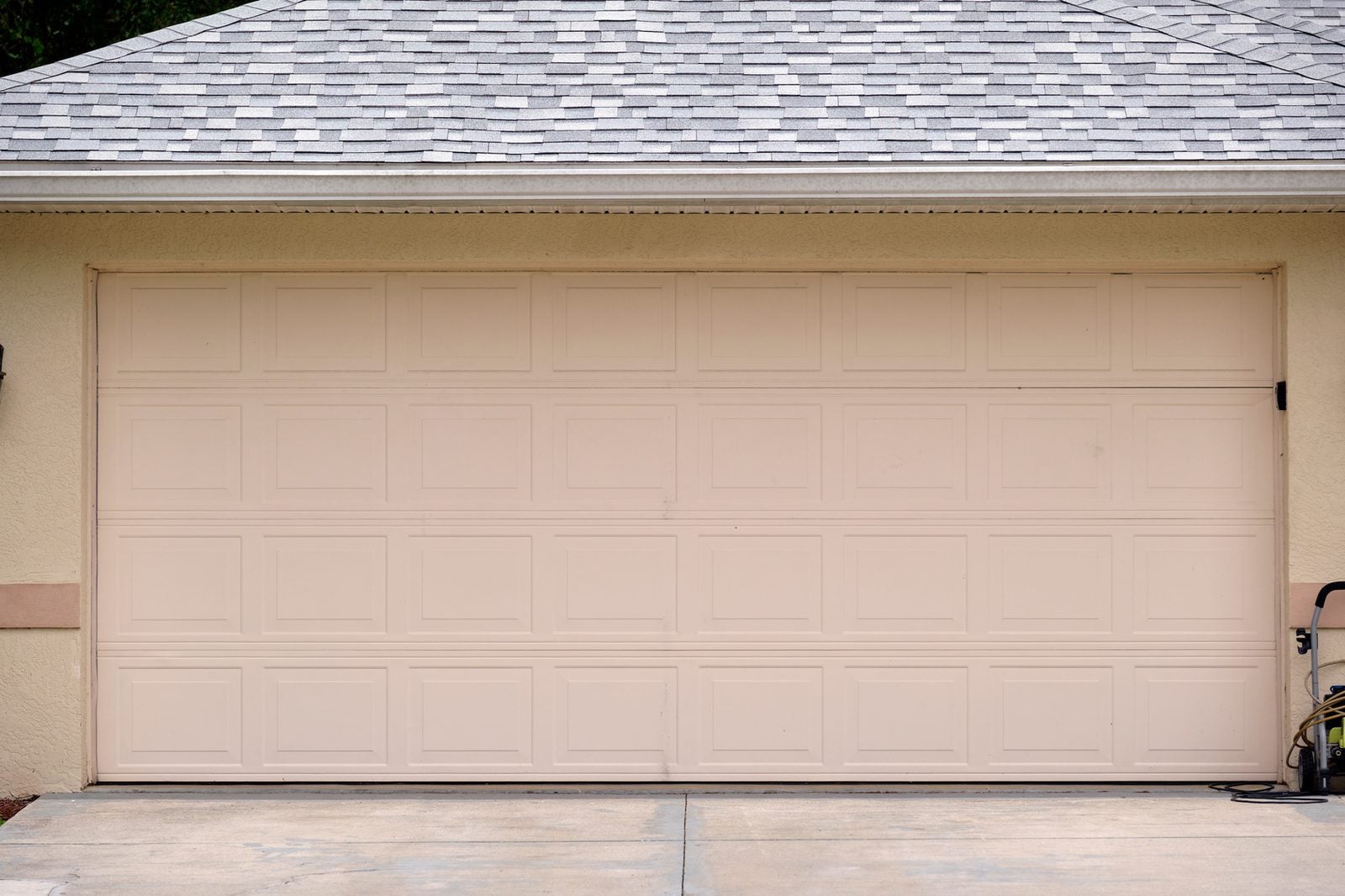
- Most residential garage doors use rollers with a wheel about 2 inches across, but stem length varies, so measure an old roller first.
- Nylon rollers with sealed bearings run quieter than bare steel rollers, which is why many people upgrade when they replace them.
- The bottom roller brackets on each side connect to the lift cables and hold spring tension. Do not loosen them.
- Replace rollers one at a time, so the door stays supported and you always have a matching roller to compare.
- Cracked, wobbling or flat-spotted rollers are a common cause of a loud, shaky or jumping garage door.
How to replace garage door rollers: what are the steps?
To replace garage door rollers in Round Rock, you match the new rollers to the old ones, close the door and unplug the opener, then swap each upper roller one at a time by freeing it from its hinge or easing it out of the track. Most doors have 10 to 12 rollers, and the bottom two are the ones to leave alone.
A general sequence for the upper rollers:
- Buy matching rollers. Pull one old roller or measure it: wheel diameter, stem length and stem thickness. Bring it to the store if you can.
- Close the door and unplug the opener. This keeps the door from moving while a roller is out. Pull the red release cord only if you know the door is balanced.
- Clamp the track. Put a locking clamp on the track just above a roller you are not working on, so the door cannot roll up on its own.
- Work on one hinge at a time. Remove the hinge bolts holding the roller, slide the old roller out of the hinge sleeve, and slide the new one in. Reattach the hinge snugly, not overtightened.
- Top rollers. The top fixture usually has a slot or bolts that let you pull the roller and slide in the new one.
- Check every roller. Each wheel should sit fully inside the track and turn freely.
- Test slowly. Remove the clamp, plug the opener back in, and run the door through a full cycle. Watch and listen for rubbing or binding.
Never pry a track open with a bar. Bent track causes more trouble than worn rollers.
How do I know if my garage door rollers need to be replaced?
Your garage door rollers likely need replacement if they are cracked, chipped, wobbling on the stem, flat on one side, or not spinning as the door moves. A loud grinding or rumbling sound and a door that shakes or jerks in the track are the most common early signs.
- Look at the wheels. Nylon rollers crack and chip with age. Steel rollers rust and lose their bearings.
- Watch the door move. Rollers should turn smoothly. A roller that slides instead of spinning is worn out.
- Listen. Squeaks often mean the rollers need lubrication. A steady grind or clunk usually means worn bearings.
- Check the stems. A bent stem makes the wheel ride at an angle and can push the door out of the track.
If noise is your main complaint, our guide on how to quiet a noisy garage door covers rollers along with hinges, chains and loose hardware.
What size garage door rollers do I need?
Most residential garage door rollers in Round Rock homes have a wheel about 2 inches wide, but stem lengths differ, so the safest way to pick the right size is to measure or bring an old roller. Short stems are common on standard hinges, and longer stems are often used on wider doors or with thicker hinges.
Check three things on the old roller: the wheel diameter, the length of the stem from the back of the wheel to the end, and whether the stem is a standard thickness. Buy one or two extra in case a stem does not fit the hinge sleeve.
Need help now? Call to be connected with a local provider in Round Rock who can check availability for your address.
Nylon or steel garage door rollers: which should I choose?
Nylon garage door rollers with sealed ball bearings are the common choice for homes because they run quieter and need less lubrication, while steel rollers are tough but louder. Cheap plastic rollers with no bearings wear out sooner.
- Nylon with sealed bearings. Quiet, smooth and low maintenance. A popular upgrade on attached garages with rooms above.
- Steel. Strong and handles heavy doors, but louder and needs regular lubrication.
- Plastic without bearings. Often found on older or builder-grade doors. These crack and flatten sooner.
Check the weight rating on the package if your door is heavy, wood or extra wide. A local provider can tell you which type suits your door when you call.
Can I replace the bottom garage door rollers myself?
It is safer not to replace the bottom garage door rollers yourself. The bottom roller sits in a bracket that also holds the end of the lift cable, and that cable is under strong spring tension. Loosening the wrong bolt can let the cable snap free and swing with great force.
Some bottom brackets look like ordinary hinges with an extra bolt or plate. If you are not sure which part holds the cable, treat the whole bracket as off-limits. The same goes for the springs, the cable drums at the top and the center bearing plate. Spring and cable work is covered on our garage door spring repair page. When the bottom rollers are worn, call to be connected with a local provider who has the tools to release tension safely.
Why does my garage door still shake after I replaced the rollers?
If your garage door still shakes or rubs after you replace the rollers, the cause is usually a bent or misaligned track, loose hinges, a door out of balance, or a roller stem that is too short for its hinge. New rollers will not fix a track that is out of line.
Look down each track for dents, kinks or gaps between the track and the wheels. Check that every hinge bolt is snug. Pull the release cord with the door closed and lift it halfway by hand: a balanced door stays put, while one that drops or shoots up points to a spring problem. Track issues are covered on our garage door track repair in Round Rock page, and a door that has jumped the track needs off-track repair, not new rollers.
When should you stop and call for help?
Stop and call for help if a roller is stuck in a bottom bracket, if the door is crooked or hanging out of the track, if a cable looks frayed or loose, or if the door feels heavy when you lift it. Those are signs of a bigger problem than worn rollers.
- The door is tilted, one side is lower, or a roller has popped out of the track.
- You hear a loud bang and the door stops working. That is often a broken spring.
- Hinges are cracked or the door panels are bent around the hinge bolts.
- The opener strains or the door reverses after the new rollers go in.
Call to be connected with a local provider who can look at the rollers, track, cables and springs together.
What happens during the visit if you call a provider?
If you call to be connected with a local provider, the visit usually starts with an inspection of the rollers, hinges, tracks, cables and springs, then an explanation of what is worn and your options, and a written quote before any work begins. You decide what happens next.
The inspection typically includes a balance test with the opener disconnected, a look at each roller and hinge, a check of the track alignment, and a safety reversal test on the opener. If only the rollers are worn, the quote may cover a full roller set. If the provider finds a cable, spring or track problem, they can explain how it relates to the rollers. Ask for the written quote to list each part and step.
How do Round Rock heat and weather affect garage door rollers?
Central Texas heat is hard on garage door parts, including rollers, in Round Rock. Austin's record high is 112°F, reached in 2000 and 2011, and in 2011 Austin had 90 days of 100°F or higher. Heat in a closed garage dries out lubricant and ages cheap plastic wheels, so check your rollers after a long summer.
Winter matters too. Over 1991-2020, Austin's average first freeze at Camp Mabry was December 1 and the average last freeze February 15, and low-lying spots can see far more sub-freezing days. Cold stiffens grease, so a door that groans on a winter morning may need cleaning and fresh roller lubricant rather than new parts. On February 1, 2023, ice on trees and power lines across the Austin metro caused outages numbering in the hundreds of thousands, some lasting a week or more, so know how to use the red release cord on a door with smooth rollers.
Parts of the Austin area also sit on Blackland Prairie soil, whose clays the USDA describes as ones that "shrink and swell markedly with changes in moisture content." If your door started rubbing in the track after a dry spell, mention it when you call. Whether you live in Round Rock, Pflugerville, Hutto, Brushy Creek or Georgetown, a local provider can check the rollers and track together.
Related pages
Questions people ask
How do I replace garage door rollers myself?
Close the door, unplug the opener, clamp the track, then remove one hinge at a time, slide the old roller out and slide the new one in. Leave the bottom rollers alone, since their brackets hold the lift cables under spring tension.
What is the safest way to learn how to replace garage door rollers?
Start with the upper rollers only, work one hinge at a time with the door closed and the opener unplugged, and keep a matching roller next to you. If anything feels tight or under tension, stop and call to be connected with a local provider.
Why shouldn't I touch the bottom garage door roller brackets?
The bottom brackets connect to the lift cables, which carry the force of the springs. Loosening them can make the cable whip free and cause serious injury.
How many rollers does a garage door have?
Most residential garage doors have 10 to 12 rollers, one at each hinge on both sides plus the top and bottom fixtures. Count yours before buying, and pick up a spare.
How often should garage door rollers be replaced?
There is no fixed schedule. Replace rollers when they crack, wobble, stop spinning or turn noisy, and check them during regular door maintenance.
Can I just lubricate my garage door rollers instead of replacing them?
Yes, if the rollers are not damaged. Lubricate the bearings with a garage door lubricant, not the track, and replace any roller that is cracked, flat or wobbling.
Are nylon garage door rollers better than steel?
For most homes, nylon rollers with sealed bearings are the quieter, lower maintenance choice. Steel rollers are durable but louder and need regular lubrication.
Why is my garage door so loud when it opens and closes?
Worn rollers are one of the most common causes of a loud garage door. Loose hinges, a dry opener chain and bent track can also add noise.
How do I get a garage door roller out of the track?
Remove the hinge that holds the roller and slide the roller out of the hinge sleeve, or move the door until the roller lines up with the end of the track. Do not pry or bend the track open.
What size rollers do I need for my garage door?
Most residential doors use rollers with a wheel about 2 inches wide, but stem lengths vary. Measure an old roller or bring it with you to match the wheel and stem.
Can bad rollers make my garage door come off the track?
Yes. A cracked wheel or bent stem can let a roller slip out of the track, especially if the track is also bent or loose. If the door is already off track, do not run the opener.
Should I replace all my garage door rollers at once?
It usually makes sense to replace all the upper rollers at the same time so the door runs evenly. Have the bottom rollers handled by a provider.
Do I need to disconnect the garage door opener to replace rollers?
Unplug the opener so nobody can run the door while a roller is out. Disconnecting the trolley with the red cord is only needed if you plan to move the door by hand.
Can Texas heat damage garage door rollers?
Heat can dry out lubricant and age cheap plastic rollers faster. In Round Rock, it is worth checking the rollers after a hot summer.
Is it worth calling someone just to replace garage door rollers in Round Rock?
It is worth calling if the bottom rollers are worn, the door is crooked or off track, or you are not comfortable on a ladder. A local provider can also check the springs, cables and track during the same visit.
What should I tell the provider when I call about garage door rollers?
Describe the sound or movement, say whether any roller has cracked or popped out, and mention if the door looks crooked. Note the door type, such as single or double, steel or wood.
Will I get a written quote before garage door rollers are replaced?
You should ask for a written quote after the inspection and before any work starts. It should list each part and step so you can compare options.
Which areas near Round Rock can I call about for garage door roller replacement?
You can call about homes in Round Rock, Pflugerville, Georgetown, Hutto, Cedar Park, Leander, Taylor, Wells Branch, Brushy Creek and Jarrell. Call to be connected with a local provider who can check availability for your address.
Talk to someone about your garage door problem
Call to be connected with a local provider who can check availability for your address and explain the next step.